Global Mosquito Season Calendar
When to Pack Protection
Mosquito activity is not random — it follows predictable seasonal patterns driven by rainfall, temperature, and humidity. Understanding when mosquito season peaks in your destination helps you pack the right gear, choose the right accommodation, and set realistic expectations. This guide breaks down the patterns region by region.
How Mosquito Seasons Work
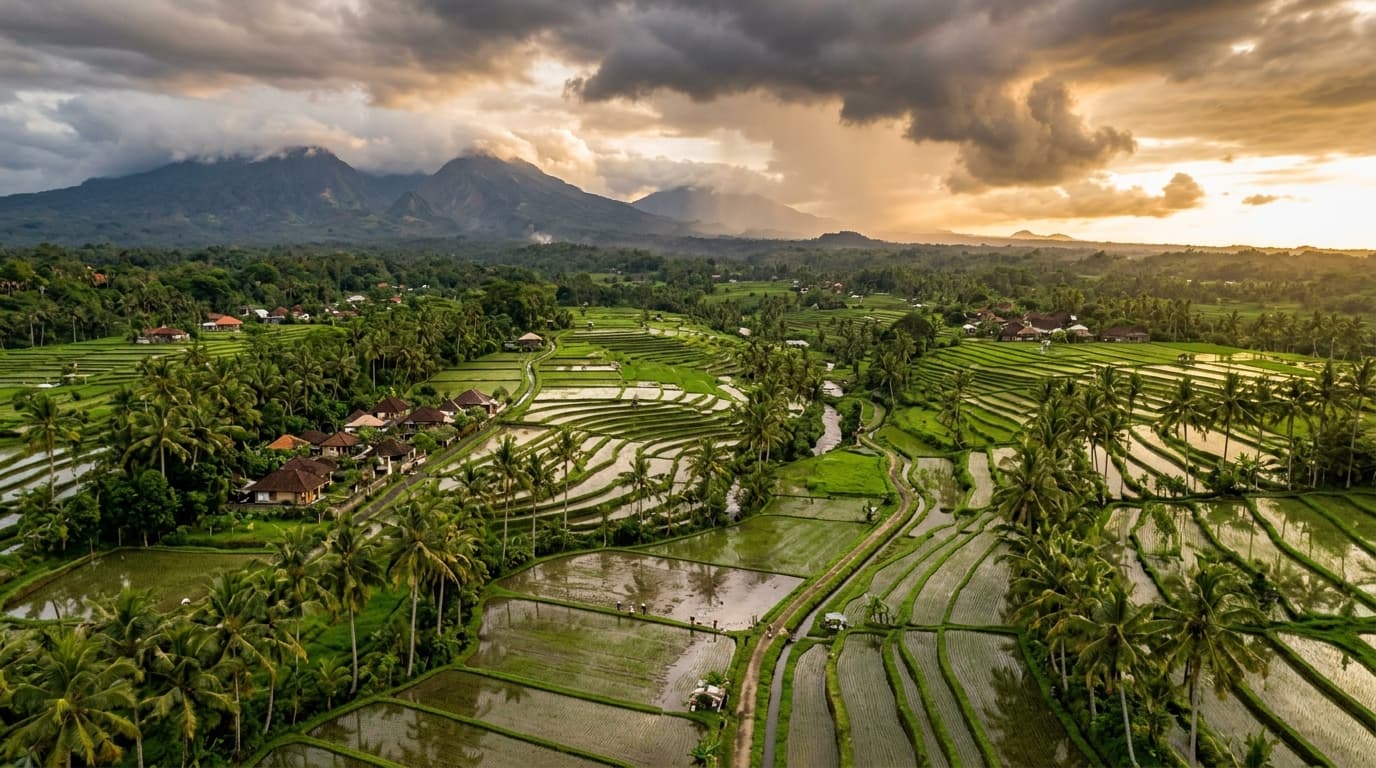
The single biggest driver of mosquito abundance is rain. Mosquitoes lay eggs in standing water, and after heavy rains, breeding sites multiply exponentially — puddles, flooded gutters, discarded containers, rice paddies, and natural pools all become nurseries. The lag between rainfall and peak mosquito emergence is typically 10-14 days, as eggs need time to develop through larval stages.
Temperature is the second key factor. Most mosquito species are most active between 25-35 degrees Celsius. Below 20 degrees, activity drops significantly, and below 10 degrees, most species become dormant. This is why temperate regions have distinct mosquito seasons (summer only) while tropical regions can have mosquitoes year-round.
Humidity matters because it affects mosquito survival — adult mosquitoes desiccate quickly in dry air. This is why desert regions (Sahara, Arabian Peninsula interior, Australian outback) have minimal mosquito activity despite warm temperatures. Coastal and riverine areas within these regions can still have local populations.
Southeast Asia
Southeast Asia has mosquitoes year-round in most areas, but density follows the monsoon cycle. In mainland Southeast Asia (Thailand, Vietnam, Cambodia, Laos, Myanmar), the southwest monsoon brings heavy rains from May through October, with peak mosquito activity from June through November. The "cool dry" season from November through February offers the lowest mosquito density, though Aedes mosquitoes (dengue vectors) remain active in urban areas year-round.
In maritime Southeast Asia (Indonesia, Malaysia, Philippines, Singapore), the pattern is more complex due to dual monsoon systems. Peninsular Malaysia and Sumatra see heaviest mosquito activity from October through January (northeast monsoon), while Borneo and the eastern Philippines peak from May through October. Singapore, sitting near the equator, has relatively consistent mosquito levels year-round with slight peaks during wetter months.
For travel planning, the dry season in your specific destination is generally the lowest-risk period. But "low risk" in Southeast Asia still means meaningful mosquito exposure — dengue is urban and year-round, and even dry-season travelers need repellent. Check our country pages for destination-specific detail.
Sub-Saharan Africa
Africa's mosquito seasons are driven by the Intertropical Convergence Zone (ITCZ), which brings the rains as it moves north and south with the seasons. In West Africa (Ghana, Nigeria, Senegal), the main rainy season runs from May through October, with peak malaria transmission from August through November. In East Africa (Kenya, Tanzania, Uganda), there are typically two rainy seasons: the "long rains" from March through May and the "short rains" from October through December.
Southern Africa (South Africa, Mozambique, Zimbabwe, Zambia) has a single rainy season from November through March, with peak mosquito activity from December through April. The South African lowveld and Kruger Park area see their highest malaria risk from October through May, which unfortunately overlaps with the best game-viewing months.
Highland areas above 1,500 meters (Nairobi, Addis Ababa, much of the Ethiopian highlands) have historically been malaria-free, though this boundary is shifting with climate change. Coastal cities like Dar es Salaam and Mombasa have mosquitoes year-round with peaks during and just after the rains.
The Americas
In Central America and the Caribbean, mosquito season tracks the rainy period from May through November, with peak activity from June through October. Hurricane season overlaps, and the flooding that follows major storms can cause dramatic spikes in mosquito populations. The dry season from December through April is the most comfortable period, though Aedes aegypti remains active in urban areas year-round.
South America varies enormously by latitude and altitude. The Amazon basin has mosquitoes year-round with peaks during the rainy season (December through May in the western Amazon, January through June in the eastern Amazon). Southern Brazil, Argentina, and Chile have temperate mosquito seasons from October through April, with winter months essentially mosquito-free.
In the southern United States, mosquito season runs from April through October, peaking in the hottest, wettest months of July and August. The Gulf Coast (Texas, Louisiana, Florida) has the longest season, while northern states see a compressed peak from June through September.
Europe and the Middle East
Southern Europe (Greece, Italy, Spain, Turkey) has a defined mosquito season from May through October, with Culex and Aedes albopictus (the tiger mosquito, now established across the Mediterranean) most active from June through September. Northern Europe sees a shorter season from June through August, with the notable exception of Scandinavia's legendary summer mosquito swarms in lake and tundra regions.
The Middle East is mostly arid, which limits mosquitoes, but exceptions matter. Coastal areas of the UAE, Oman, and Saudi Arabia see Culex mosquitoes year-round, with peaks after the rare but intense rainfall events. The Nile Delta, Tigris-Euphrates valleys, and irrigated agricultural areas of Iran maintain mosquito populations that peak from April through October.
Israel's coastal plain has a season from April through November. Turkey's southeastern plains (Anatolia) see significant mosquito activity from June through September, while Istanbul and the Aegean coast have a milder season from May through October.
Monthly Planning Tips
When planning a trip, check the specific country page on Mozzwise for month-by-month mosquito intensity data — regional generalizations only go so far. A trip to highland Kenya in August is very different from coastal Kenya in August, even though both fall within the "East Africa" category.
For the lowest possible mosquito exposure, aim for the tail end of the dry season in your destination. You get the benefit of reduced mosquito populations, often pleasant weather, and lower tourist crowds. The beginning of the dry season still carries elevated mosquito numbers from the preceding rains.
Regardless of when you travel, always pack basic protection: a Picaridin or DEET repellent, lightweight long-sleeved clothing, and a compact bed net if your accommodation is uncertain. Seasonal patterns tell you the probability of encountering mosquitoes, but even in the "off season," a single malaria-carrying bite can ruin a trip. The goal is not zero bites — it is reducing exposure to a level where risk is manageable.
What we'd pack
Mozzwise may earn a commission on purchases made through these links at no additional cost to you.
Plan Around These Destinations & Diseases
More Guides
Explore more mosquito intelligence guides for travellers.