Permethrin-Treated Clothing
Does It Actually Work?
Permethrin-treated clothing is one of the most underused tools in a traveler's mosquito defense kit. While most people focus on skin-applied repellents, treating your clothing with permethrin creates a second layer of protection that works passively — no reapplication needed, no smell, no skin irritation. Here is how it works and whether it is worth the effort.
How Permethrin Works
Permethrin is a synthetic insecticide modeled on pyrethrin, a natural compound found in chrysanthemum flowers. When applied to fabric, it binds to the fibers and remains active through multiple washes. Any mosquito (or tick, or fly) that lands on treated fabric is either repelled or incapacitated within seconds — the permethrin disrupts their nervous system on contact.
The key distinction from skin repellents: permethrin is a contact insecticide, not a repellent in the traditional sense. It does not create a vapor barrier around you. Mosquitoes need to physically touch the treated fabric for it to work. This means it is most effective on clothing that covers areas mosquitoes target — ankles, wrists, neck, and shoulders.
Permethrin is safe for human skin contact at the concentrations used in clothing treatment (0.5%). It binds tightly to fabric and only trace amounts transfer to the skin, where it is rapidly broken down by skin enzymes. The US military has treated uniforms with permethrin since the 1990s, and extensive safety data supports its use.
DIY Treatment vs Factory-Treated Clothing
DIY treatment involves soaking or spraying your own clothing with a 0.5% permethrin solution, then allowing it to dry completely before wearing. The process takes about 30 minutes of active time plus a few hours of drying. A single application lasts through approximately 6 washes for spray-on products and up to 12 washes for soak-in treatments.
Factory-treated clothing from brands like Insect Shield, ExOfficio BugsAway, and Craghoppers NosiLife uses a proprietary binding process that locks permethrin into the fabric fibers at the molecular level. The result is protection that lasts 70 or more washes — essentially the usable life of the garment. The trade-off is higher cost and limited style options.
For most travelers, the practical choice depends on how often you travel to mosquito destinations. If you take one tropical trip a year, DIY treatment of your existing wardrobe is more cost-effective. If you travel frequently or for extended periods, investing in a few factory-treated shirts and pants makes sense — the convenience of never having to retreat them adds up.
What we'd pack
Mozzwise may earn a commission on purchases made through these links at no additional cost to you.
What to Treat and How
Prioritize the clothing that covers your most-bitten areas: socks, pants, and long-sleeve shirts are the highest-value items to treat. Add a hat if you will be in dense brush or forested areas where mosquitoes attack from above. Treating shoes or boots is also worthwhile — ankle bites are extremely common in many tropical destinations.
For DIY spray treatment: lay each garment flat outdoors, spray evenly until the fabric is damp but not dripping, flip and repeat, then hang to dry for at least two hours. Do this in a well-ventilated area away from cats — permethrin is highly toxic to felines. Once dry, the treated clothing is safe for humans, dogs, and children.
For soak-in treatment (more durable): mix the permethrin concentrate with water per the product instructions, submerge garments for the specified time, wring out excess, and hang to dry. This method penetrates the fabric more thoroughly and typically lasts twice as long as spray-on application.
Safety Considerations
Permethrin is one of the most well-studied insecticides in use. At clothing-treatment concentrations, it has an excellent safety profile for humans. The WHO classifies it as "moderately hazardous" in liquid concentrate form but "unlikely to present acute hazard in normal use" when applied to fabric. The US EPA has approved it for direct application to clothing and gear.
The two real cautions: first, permethrin is extremely toxic to cats. Wet-treated clothing should never be around cats, and treated garments should be fully dry before contact with feline pets. Once dry, the risk drops significantly, but some cat owners prefer to store treated clothing separately as an extra precaution. Second, permethrin should not be applied directly to skin as a repellent — it is designed for fabric application only.
For pregnant and breastfeeding women, the CDC and WHO both consider permethrin-treated clothing safe. The amount that transfers through fabric to skin is negligible, and what does reach the skin is rapidly metabolized. If you have concerns, discuss with your travel health provider, but the evidence base is reassuring.
When It Matters Most
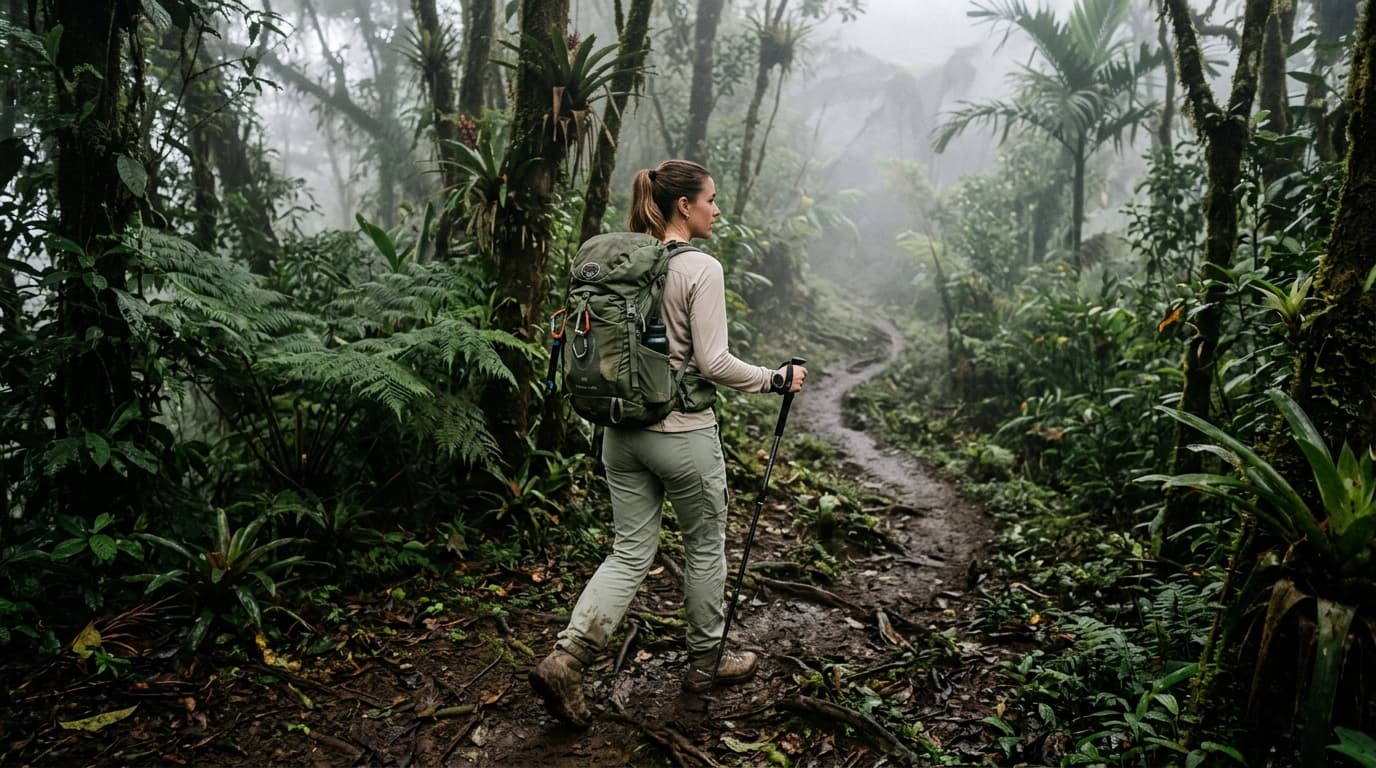
Permethrin-treated clothing provides the most value in situations where skin-applied repellent alone is insufficient. Multi-day trekking where you cannot reapply repellent easily. Safari game drives at dawn and dusk when mosquito activity peaks. Rural homestays or camping in malaria zones. Extended time in forested areas where Anopheles dirus or other forest-dwelling species are active.
The gold standard approach used by military personnel and field researchers is the "treated uniform plus skin repellent" combination. Permethrin on clothing handles mosquitoes that land on fabric, while DEET or Picaridin on exposed skin (face, hands, neck) handles the rest. Studies show this combination reduces bite rates by over 99% compared to untreated clothing alone.
For casual tropical travel — resorts, cities, well-screened hotels — permethrin treatment is nice to have but not critical. Your repellent and accommodation choices matter more in those settings. But for anyone venturing into rural or wild areas in mosquito-heavy regions, treated clothing is one of the highest-value investments you can make.
What we'd pack
Mozzwise may earn a commission on purchases made through these links at no additional cost to you.
Plan Around These Destinations & Diseases
More Guides
Explore more mosquito intelligence guides for travellers.