Mosquito Bite Treatment
What Actually Works
You did everything right — repellent, long sleeves, bed net — and you still woke up with a constellation of mosquito bites. It happens. The good news is that most bites are just uncomfortable, not dangerous, and there are proven ways to speed up relief. This guide separates what actually works from the folk remedies that do not.
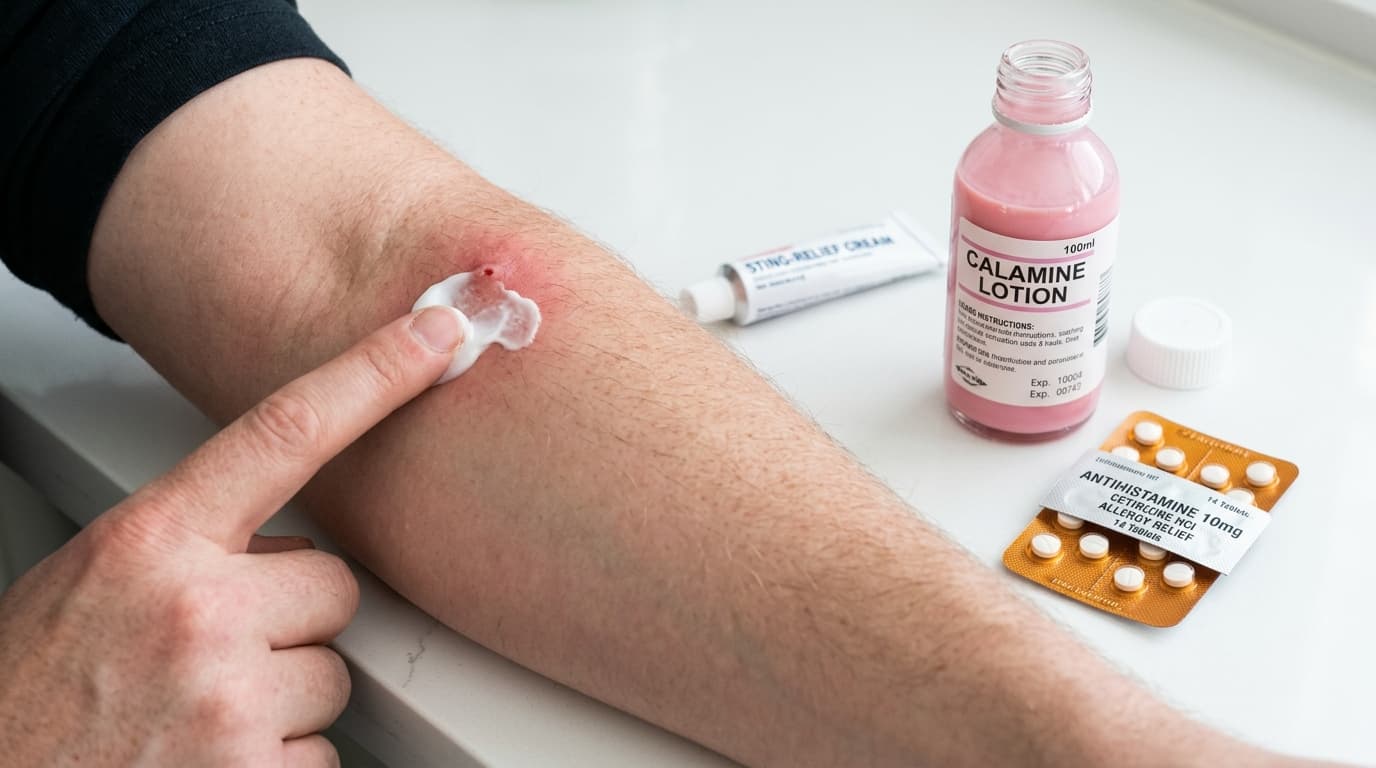
Immediate Response — The First 10 Minutes
The moment you notice a bite, resist the urge to scratch. Scratching feels good because it triggers a mild pain signal that temporarily overrides the itch, but it also damages the skin, increases histamine release, and dramatically raises the risk of infection — especially in warm, humid climates where bacteria thrive.
Instead, clean the bite with soap and water to remove any residual mosquito saliva on the skin surface. Then apply a cold compress or ice wrapped in a thin cloth for 10-15 minutes. The cold constricts blood vessels, reduces swelling, and dulls the itch signal. This simple step makes a bigger difference than most people expect.
If you are prone to strong reactions, taking an oral antihistamine (cetirizine, loratadine, or fexofenadine) within the first hour can significantly reduce the overall inflammatory response. This is particularly useful if you have been bitten multiple times overnight.
Over-the-Counter Treatments That Work
Hydrocortisone cream (1%) is the most effective topical treatment for mosquito bites. It directly suppresses the local inflammatory response that causes itching and swelling. Apply a thin layer two to three times daily — you should notice relief within 15-20 minutes of the first application. For travel, the small tubes are easy to pack and last an entire trip.
Antihistamine creams containing diphenhydramine (Benadryl) provide faster itch relief but should not be used on large areas of skin or for extended periods. They work best as a spot treatment for one or two particularly bothersome bites. Calamine lotion is another classic option — it cools the skin and reduces itching through evaporation, though it is messier than cream formulations.
For travelers who react strongly to bites, a combination approach works best: oral antihistamine (for systemic relief) plus hydrocortisone cream (for local inflammation) plus cold compress (for immediate comfort). This three-pronged strategy handles most bites effectively within a day.
What we'd pack
Heat-Based Devices — The Science Is Promising
A newer category of bite treatment uses concentrated heat to neutralize the proteins in mosquito saliva that cause the itch response. Devices like the Bite Away and Therapik apply a brief pulse of heat (around 50 degrees Celsius for a few seconds) directly to the bite. The theory is that the heat denatures the injected proteins before they trigger a full histamine response.
User reports and small clinical studies suggest these devices can be remarkably effective, especially when used within the first few minutes of a bite. The sensation is a brief, sharp warmth — uncomfortable but not painful for most adults. They are less suitable for young children or people with sensitive skin.
The main advantage for travelers is that heat devices are reusable, drug-free, and work on bites from all insects — not just mosquitoes. If you react strongly to bites or are traveling to destinations where you expect heavy exposure, a heat-based bite device is worth packing alongside your topical treatments.
What we'd pack
Mozzwise may earn a commission on purchases made through these links at no additional cost to you.
Natural Remedies — What Has Evidence
Tea tree oil has mild anti-inflammatory and antiseptic properties that can help with bite management. A small dab of diluted tea tree oil (mixed with a carrier oil) applied to a bite may reduce itching and help prevent infection. It is not as effective as hydrocortisone, but it is a reasonable natural alternative for people who prefer to avoid steroids.
Aloe vera gel — ideally fresh from the plant or a pure, unfragranced product — soothes irritated skin and provides a cooling sensation. It works similarly to calamine lotion but without the chalky residue. Keep a small tube in your day bag for easy reapplication.
What does not work well despite widespread claims: toothpaste, apple cider vinegar, banana peels, and most essential oils have no meaningful clinical evidence for mosquito bite treatment. They are not harmful, but they will not provide the reliable relief that proper OTC treatments deliver. If you are in a serious mosquito destination, pack real medicine.
When to Seek Medical Attention
Most mosquito bites resolve on their own within 3-7 days. However, certain signs warrant a visit to a doctor or clinic, especially when traveling in tropical regions.
Seek medical attention if you notice: expanding redness around the bite that grows over hours (a sign of cellulitis or secondary infection), pus or drainage from the bite site, increasing pain rather than decreasing itch, red streaks extending from the bite toward the nearest lymph node, or any systemic symptoms like fever, chills, or malaise.
In malaria-endemic regions, any fever developing 7-30 days after mosquito exposure should be treated as potential malaria until proven otherwise — this is a medical emergency. Similarly, fever with rash and joint pain within two weeks of bites in dengue-endemic areas should prompt immediate medical evaluation. Always tell the doctor where you have been traveling and when the bites occurred.
What we'd pack
Mozzwise may earn a commission on purchases made through these links at no additional cost to you.
Plan Around These Destinations & Diseases
More Guides
Explore more mosquito intelligence guides for travellers.